Event ideas

Picture how the occasion could unfold.

Three possible programmes to begin a conversation. Each can be adapted to your venue, guests and priorities; these are event concepts, not accounts of past bookings.

01 / A company occasion

A milestone with a playful finish.

30 guests4 hoursPossible programme
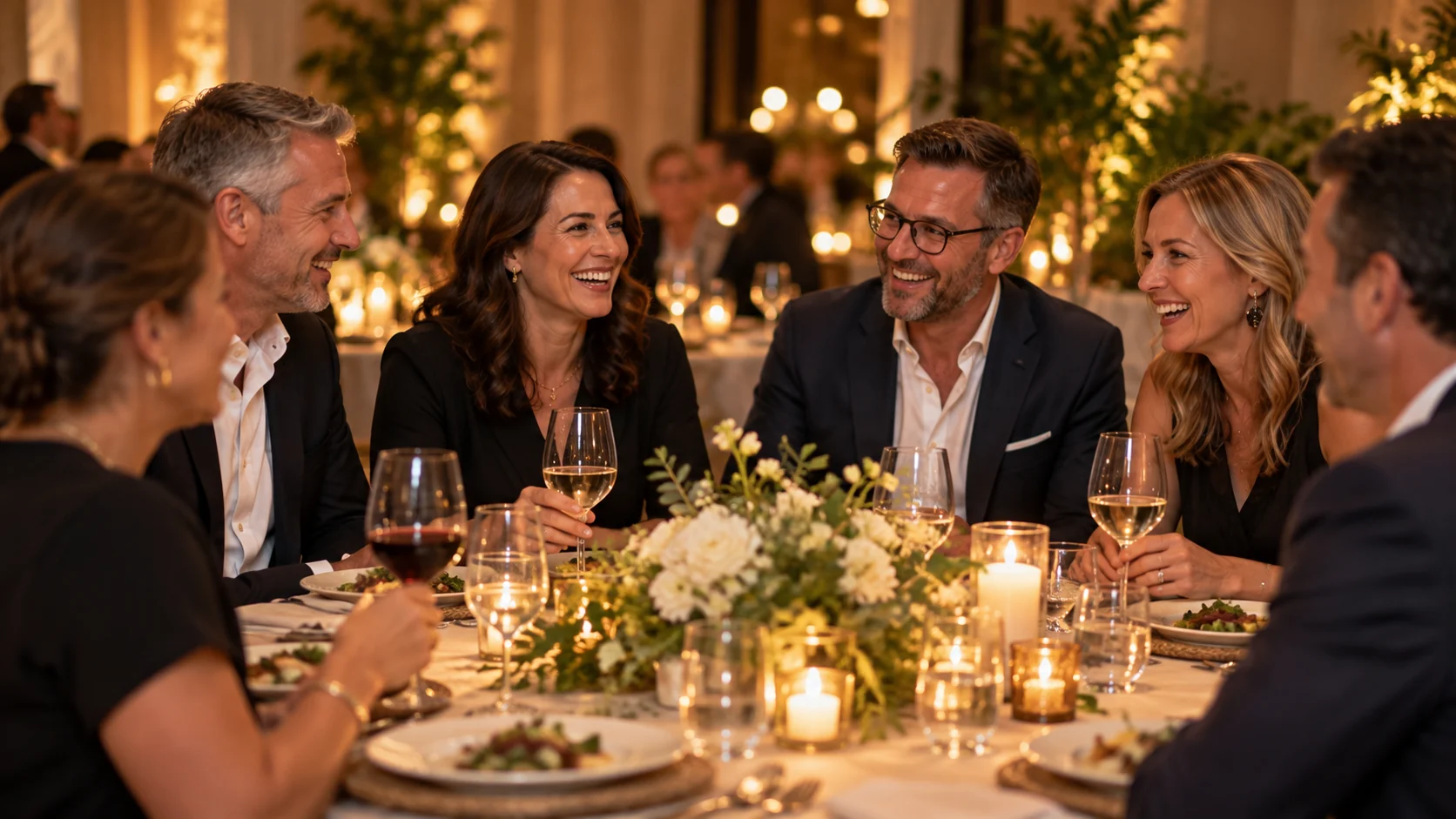
A company dinner setting with candles and warm greenery

The purpose

Bring colleagues together to recognise a company milestone without turning the whole evening into a presentation. The programme gives the story a clear moment, then lets guests settle into dinner, conversation and a hosted table experience. This could suit a team that wants a little formality at the beginning and an easier social atmosphere afterwards.

The setting

An indoor venue with a seated dinner area, a compact display zone and sufficient space for the agreed casino-themed tables. A photographic timeline uses material supplied and approved by your organisation. Company-colour table details and warm lighting connect the room without requiring a large stage or extensive installation.

How we would prepare

We would discuss the milestone story, the presentation order and who is authorised to approve artwork. The room plan needs to balance the dinner layout with table access and conversation areas. The venue, caterer, host and coordinator receive the same running order, with pauses agreed before speeches and a practical window for equipment setup.

How the time could flow

  1. Arrival, welcome and time to explore the milestone display.
  2. A short company story and recognition moment.
  3. Dinner and conversation, with service timing agreed.
  4. Hosted table session opens; guests move at their own pace.
  5. A closing thank-you and relaxed final conversations.
  6. Guest programme finishes; agreed removal follows.

Times illustrate the guest programme. Setup, supplier access and removal are agreed separately.

The decisions to make

Choose how much time the recognition segment needs, whether a separate MC is useful and how much branded material belongs in the room. The table mix and staffing follow the guest count and space. The celebration and casino elements would be quoted together, with shared coordination identified and venue, food, drinks and extra production separately costed.

What would need checking

Loading access, the venue’s finish time, sound requirements and clear routes around the room. We would also agree how photographs and milestone material can be used, how guests are told about any photography on the night and which contact can approve programme changes. The plan should leave a comfortable departure window before pack-down begins.

02 / A daytime gathering

A team day with room to breathe.

24 guests5 hoursPossible programme

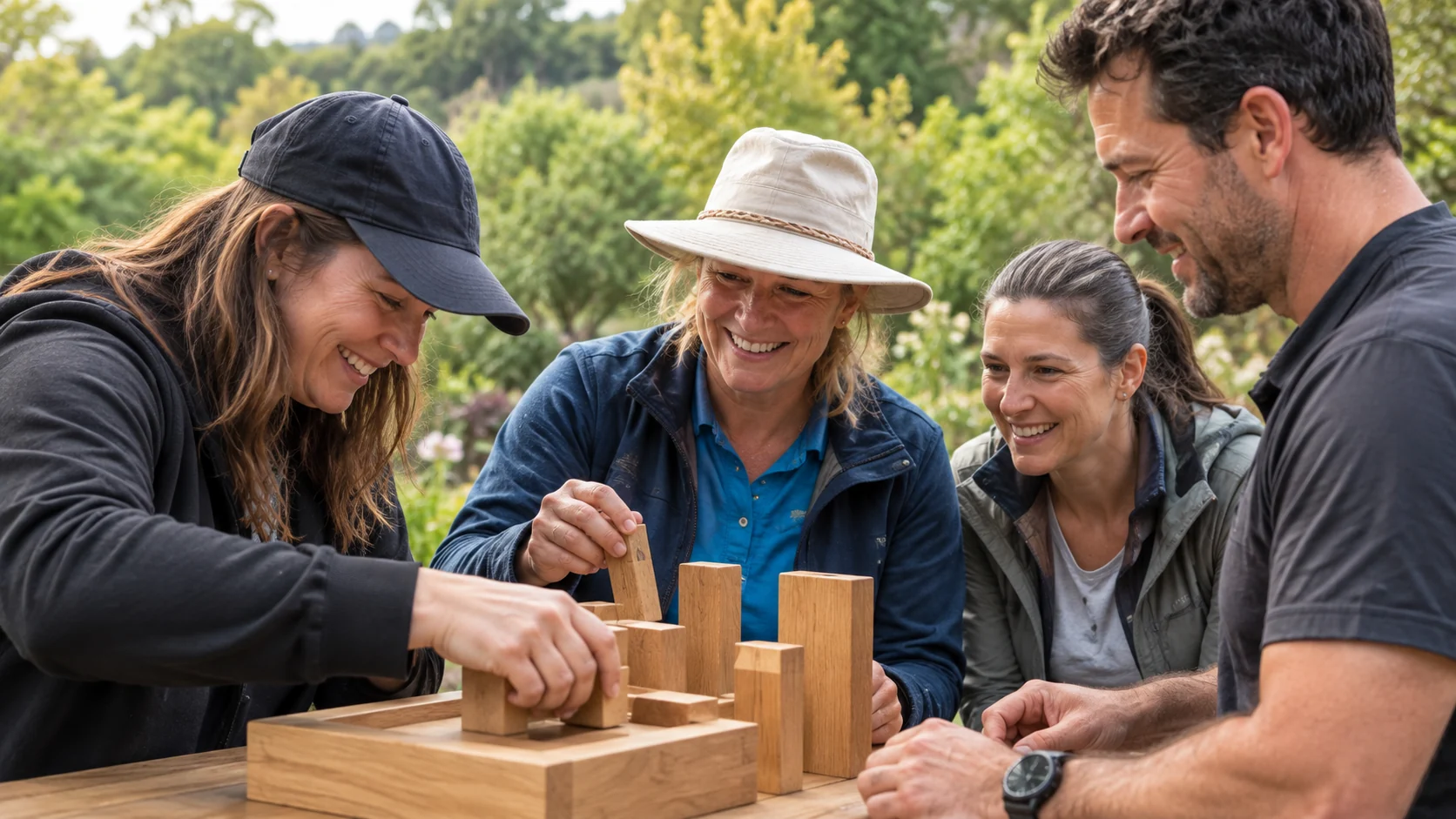
A small adult team working together at an outdoor challenge station

The purpose

Create a shared day outside the normal work routine, mixing a hands-on challenge with time to talk. This direction could suit colleagues who work across different teams or a group that wants an activity without a full day of physical exertion. The intention is an enjoyable common experience, with no promise of a measured business or wellbeing outcome.

The setting

A suitable outdoor venue with manageable terrain, toilets, drinking water and a genuinely usable indoor alternative. Expedition-style stations, team flags and rustic signs define the activity area. A separate break space gives the group somewhere to gather for lunch and a creative workshop, with tables and materials selected for the task.

How we would prepare

We would discuss the group’s interests, access requirements and comfort with different activities. Teams need a range of roles, including observation, recording, planning and making. The site review considers distances, shade, ground conditions and supplier access. The weather decision, decision-maker and alternative programme are agreed before the booking is confirmed.

How the time could flow

  1. Welcome, a practical briefing and small-team introductions.
  2. Expedition challenges with varied participation roles.
  3. A break and an informal discussion of the activity.
  4. Shared lunch and time to talk.
  5. A creative workshop or agreed planting activity.
  6. Wrap-up, group reflection and collection of materials.
  7. Guest programme finishes.

Times illustrate the guest programme. Setup, supplier access and removal are agreed separately.

The decisions to make

Choose the challenge level, the workshop outcome and whether specialist instruction is required. The food arrangement, materials and wet-weather space are priced separately where needed. A longer event needs enough facilitation and a realistic setup schedule; it should not simply stretch a compact two-hour activity across the whole day.

What would need checking

The indoor option must accommodate the actual group and revised activities. Catering timing, dietary communication, equipment transport and the care or collection of any completed work need owners. If the day includes planting, the organiser and venue should agree what is planted, whether it suits the site and who will look after it afterwards.

03 / An intimate evening

A vintage dinner with a story to solve.

20 guests3½ hoursPossible programme

A vintage detective dinner setting with character place cards

The purpose

Give a birthday dinner, company social or gathering of friends a shared story. The evening combines a comfortable meal with a guided mystery, allowing guests to contribute through conversation and clues rather than requiring everyone to deliver a performance. The host keeps the plot understandable and the atmosphere welcoming.

The setting

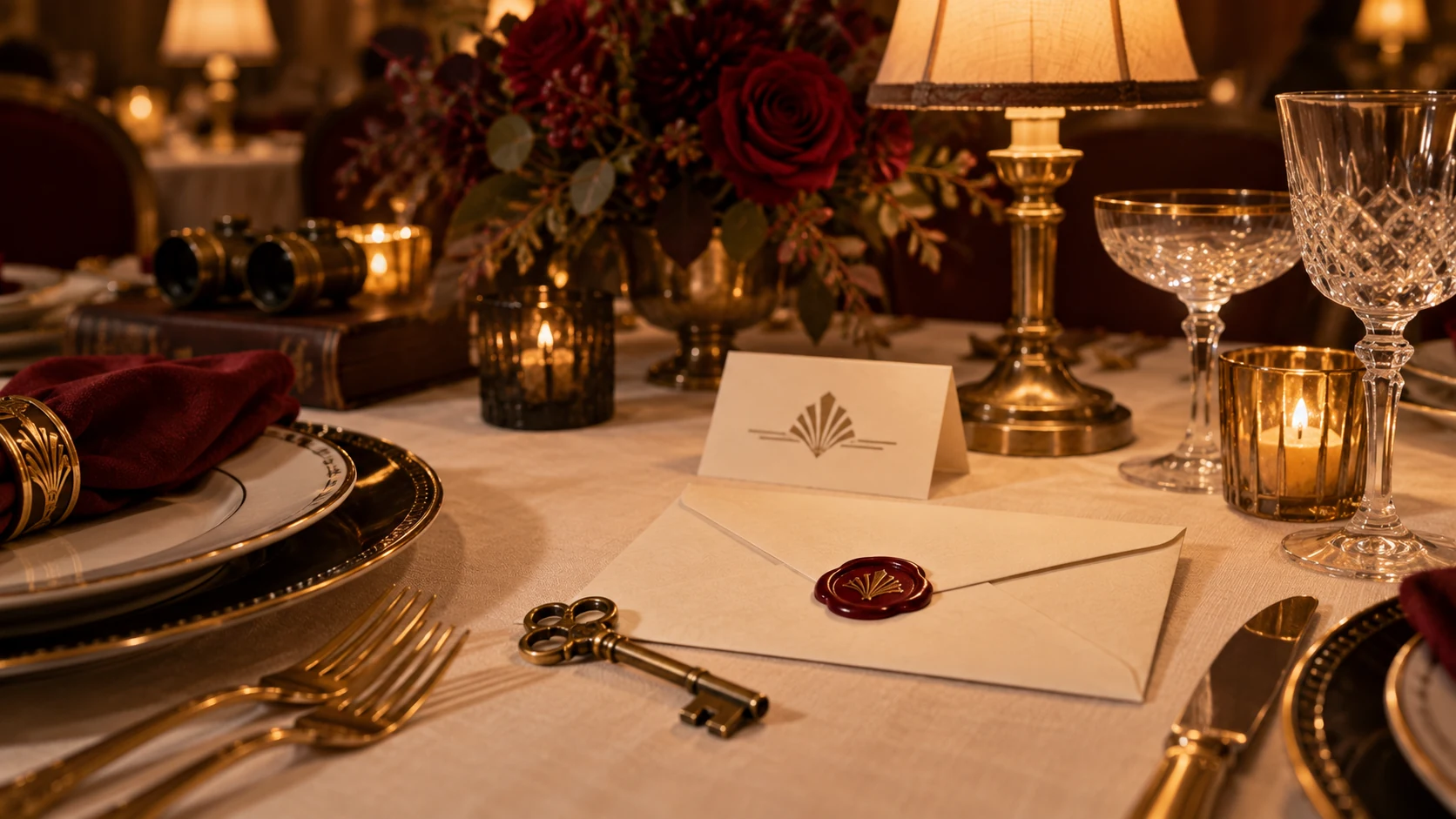
A private dining room with enough space for the host to move between tables and a layout that lets guests hear the introduction. Art Deco details, antique-style props and character place cards establish the detective theme. The styling can remain compact, with a few focal elements doing the work instead of a fully built theatrical set.

How we would prepare

We would discuss the group’s preferred level of character participation and any content sensitivities before choosing the story. The caterer and host coordinate the clue rounds with food service. If guests receive information beforehand, the organiser and event team agree what is necessary, who sends it and how personal details are kept limited.

How the time could flow

  1. Arrival, character cards and relaxed introductions.
  2. Host welcome and the opening story.
  3. First clue round, then the agreed meal service.
  4. Further clues and table discussion.
  5. The reveal and time to enjoy the conclusion.
  6. Dessert, conversation or a personal celebration moment.
  7. Guest programme finishes.

Times illustrate the guest programme. Setup, supplier access and removal are agreed separately.

The decisions to make

Select a host-led or more character-led format, the meal arrangement and the amount of styling. Additional performers, custom story work and extensive props require a separate scope. The social event starting figure is a compact quiz reference; a styled mystery dinner is quoted for its actual story, staff, materials and duration.

What would need checking

Sound levels, seating, access and the final reveal should work for the whole room. Guests who prefer a quieter role need a comfortable way to join. The venue must allow sufficient setup time and agree when service pauses, so the host is not competing with plates, speeches or another event in the same space.

Start with a conversation

Which idea feels closest to your occasion?

Share the parts you like, your likely date and venue. We will discuss a programme shaped around your group.

Tell us about your event

Your privacy settings

You can change your choices at any time. There are currently no analytics or advertising tools active on this website.

Essential

Secure enquiry sessions and your saved privacy preferences.

Always on

Read the Privacy Statement and Cookie & Tracking Notice.