 +64 4 002 3946

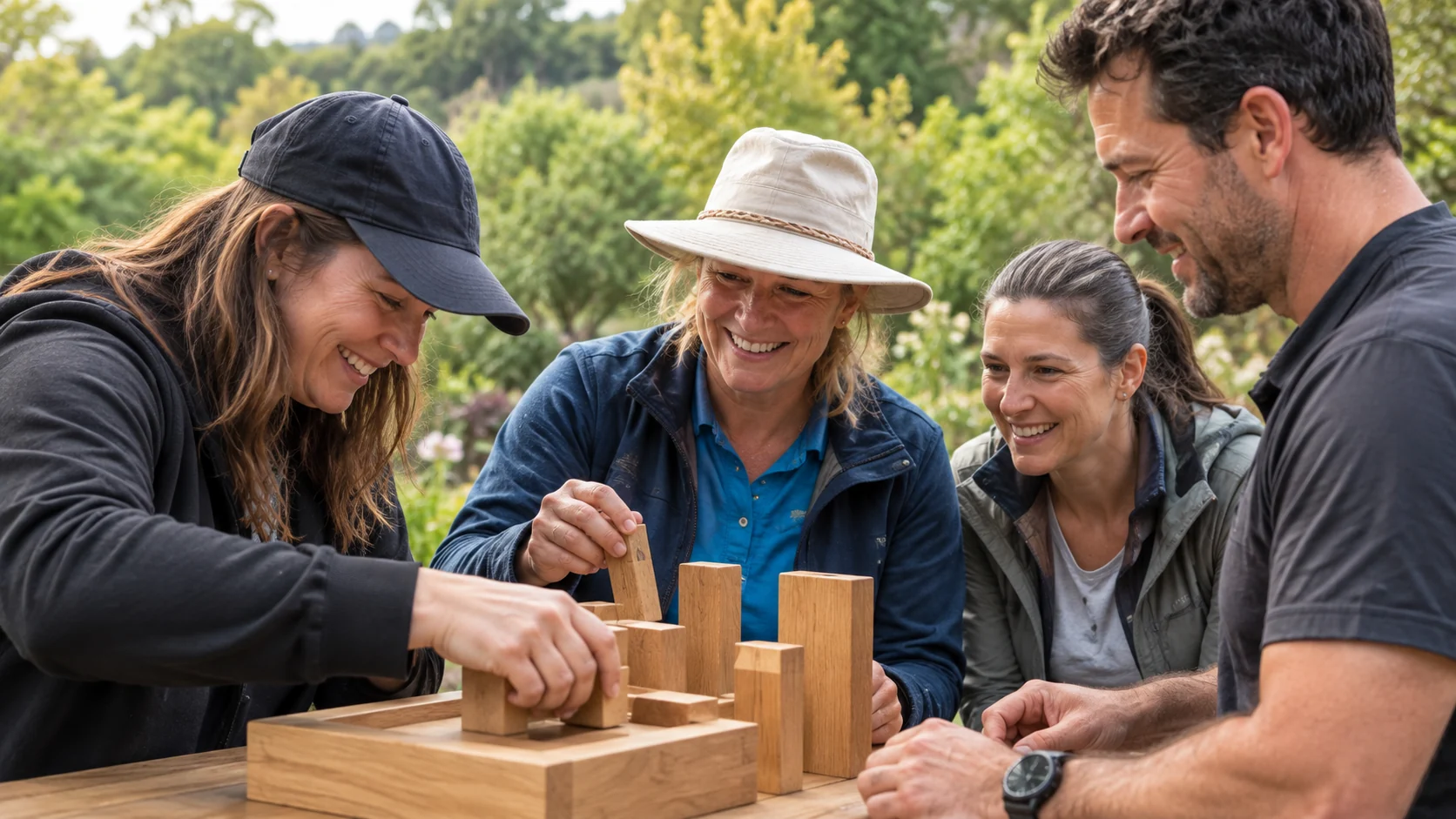
An expedition, a mission or a makers’ studio
Team-building adventure days can use an outdoor expedition theme: challenge stations, team flags, treasure maps and rustic signage. Small groups move through tasks that reward observation, communication and shared decision-making. We discuss walking distances, terrain and alternatives before choosing a site or route.
Escape-room challenges bring a secret-agent setting to a suitable room or event space. Coded briefcases, mission boards, hidden clues and puzzle stations create a shared problem to work through. The facilitator introduces the task, offers guidance when needed and keeps the session moving without requiring everyone to take the same role.
Creative team workshops take a makers’ studio approach with communal worktables, colourful material displays and personalised crafting stations. The materials, outcome and level of instruction are selected for the group. Specialist instruction and consumables are separately identified so there is clarity about what guests make and take away.
Sustainability action days can combine planting stations, reusable signage and educational displays. We agree a practical activity, suitable materials and who will care for any planting afterwards. Environmental claims should describe the actual work and materials used, without promising an unmeasured impact.
Leave room for different ways to take part
Teams rarely arrive with identical interests or comfort levels. Some people enjoy presenting; others are better at noticing detail, building, recording or keeping the group organised. Activities can offer a range of roles so participation does not depend on speed, strength or confidence in front of a room.
Share mobility, sensory and access needs early, focusing on the adjustment required. We can discuss shorter routes, seated alternatives, clear written instructions, quieter spaces and the timing of breaks. The venue must also be suitable: an inviting concept cannot compensate for inaccessible toilets or a route that does not work for the group.
For staff wellness retreats, the nature-and-balance setting can use greenery, natural textures, soft lighting and comfortable relaxation areas. We treat this as an event format, with rest and connection at its centre. Any specialist wellness session requires a suitable provider and a defined scope; the programme does not make health or treatment promises.
Plan the day and the weather alternative
Outdoor programmes need decisions before the day arrives. We discuss the weather threshold, the person who makes the call, the latest practical decision time and the indoor or rescheduling option. A covered meeting area is useful, but it may not be enough to run the full activity in poor conditions.
The running order includes a welcome, instructions, activity windows, breaks and a finish. For a longer day, meal service and travel between spaces should have their own time allowance. A short facilitated discussion can help the group reflect on what they noticed without turning the experience into an assessment.
Equipment access, ground conditions, shade, drinking water, toilets and emergency arrangements are reviewed with the venue and organiser. Specialist outdoor or sporting activities are only included where appropriate expertise and arrangements have been agreed. The proposal separates activity delivery from transport, food and venue costs.
Put a useful brief together
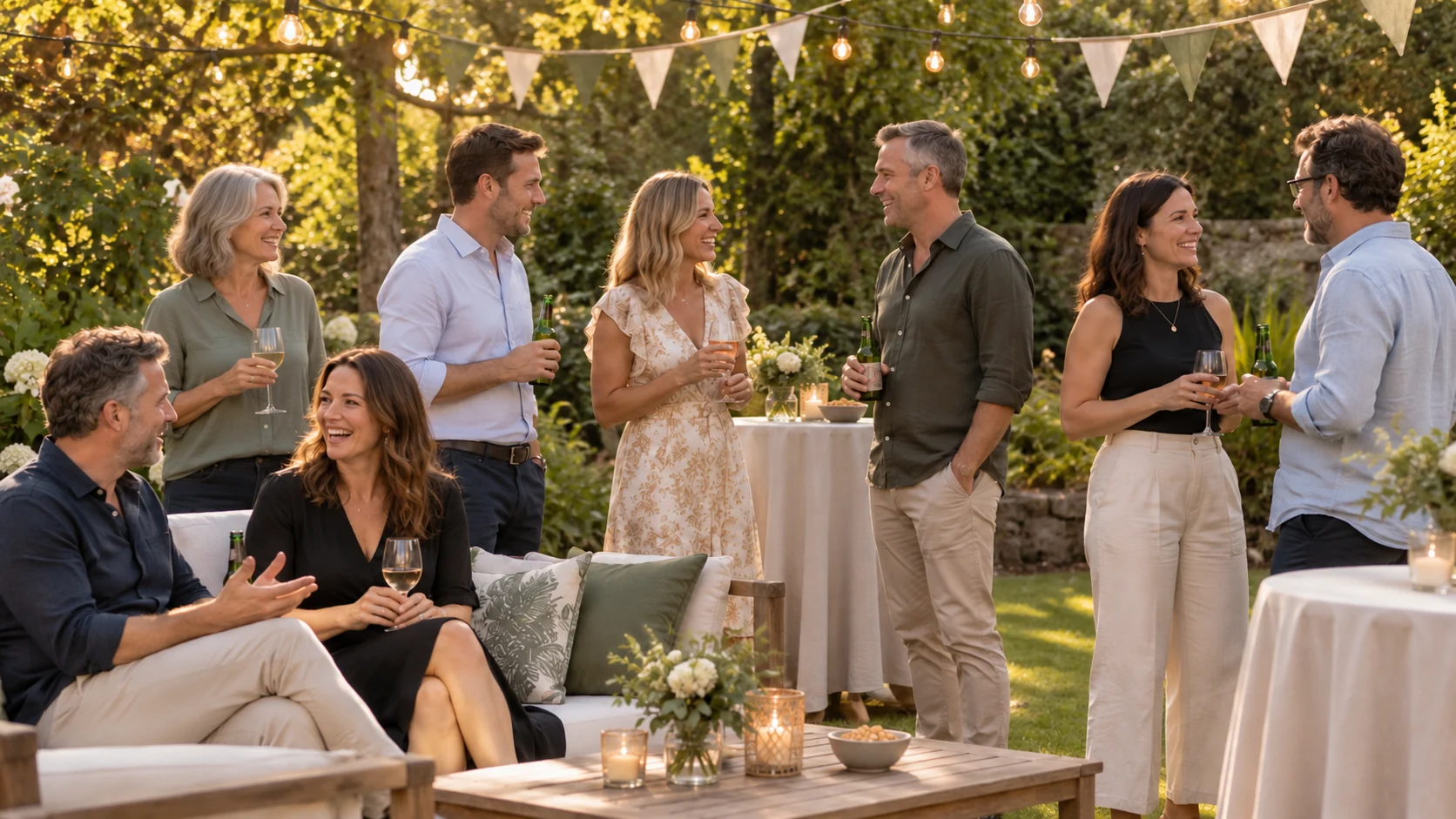
Tell us how many people are likely to attend, where the event may take place and what you want the group to experience. It helps to know whether participants work together every day, are meeting for the first time or are joining from different locations. Share the tone you want as well: playful, reflective, energetic or a mixture.
If you have a budget ceiling, an existing venue or a firm end time, include it early. We can shape the activity selection around those constraints and explain the trade-offs. Additional facilitators, craft materials, instructors, wet-weather venue hire and travel can all change the total.
Our team-building pricing describes a compact starting programme and a broader planning range. For a fuller picture, explore the five-hour team day idea, then send your date, city and likely group size. We will discuss a programme that fits the people and the practical conditions.
